

Cold and Flu Season: How to Protect Yourself and Your Family
Cold and flu season can really throw a wrench in the works when life is already busy. Taking time off work, children contracting bugs from school or daycare and panicking about other more susceptible family members falling sick can add up quickly. For many households, a bout of flu is more than just a few days of feeling poorly; it's how it messes with daily life, duties, and peace of mind all winter long.
At Narangba Station Medical Centre, we know first-hand how disruptive cold and flu season can be for families. From understanding which symptoms are manageable, deciding when to keep your kids home from school and how to best look after elderly relatives and family members with chronic health conditions, having trustworthy advice and support during this time of year can be a game-changer.

One of the best things you can do to protect yourself and your family from the flu is to get your annual influenza vaccination.
Ensuring you book in for your influenza vaccine early will help you avoid falling sick before the viruses start to peak. Our friendly team can organise your vaccination and discuss your options for other useful vaccines too.
Scheduling a regular appointment with your GP can also help if someone in your family does fall sick, or if you just want personalised advice for your family about how to stay healthy all winter long. It's far more impactful to proactively ward off colds and flu rather than just dealing with them after they've struck, and having consistent medical assistance can significantly ease navigating this busy season.
Today, we outline how you can lower your risk of illness day-to-day and what to do if someone in your family does fall ill. We also cover when you should seek medical attention versus when to manage symptoms at home.
Table of Contents
- When Is Cold and Flu Season?
- Everyday Habits to Reduce Your Risk
- Strengthen Your Immune System Naturally
- Vaccination: Your Strongest Line of Defence
- Protecting Vulnerable Family Members
- What to Do If Someone in the Household Gets Sick
- When to See a Doctor
- Cold and Flu Myths vs. Facts
- FAQs
- Staying Healthy Through Cold and Flu Season
As humans, we experience peak cold and flu season during the colder months here in Australia, which tends to be anywhere from June to September. This is the period when respiratory complaints skyrocket, leading to more time off work and school, and a surge in flu and other prevalent viruses.

Why Colder Months?
A few factors contribute to the spread of viruses during winter. People spend longer periods indoors without as much fresh air flow which means being in close contact with others in enclosed spaces.
The environment is also a major player; the cooler, drier air can leave our natural nasal passages and airways parched, a condition that seems to invite viruses more readily. Additionally, some viruses survive longer in cooler temperatures on surfaces which can increase transmission rates at home, school, or work environments.
Cold vs Flu
Although colds and flu are used interchangeably, there are some key differences between the two. The common cold will usually come on gradually and symptoms are generally mild.
These can include:
- Runny or blocked nose.
- Sore throat.
Flu tends to have similar symptoms but is usually more severe and comes on suddenly.
These may include:
- High fever.
- Aches and pains.
- Extreme tiredness.
Due to potential complications with flu, we take these more seriously in medical settings as they can further contribute to illness in high-risk groups. Individuals at high risk of flu complications include children under five years of age, older Australians, pregnant women and people with medical conditions such as diabetes, asthma, heart conditions and kidney disease.

Wash Hands Thoroughly and Often
A great deal of people have forgotten how powerful washing your hands with soap and water can be. Viruses like the common cold and flu can spread easily when we touch shared surfaces, door handles, trolley chargers and objects throughout the day.
Washing your hands with soap and water frequently throughout the day is a great way to stop the virus in its tracks. Make sure you wash for at least 20 seconds to ensure you remove the virus from your hands before it can enter your body or you go on to touch others. If you can’t get access to soap and water, use an alcohol-based hand sanitiser.
Avoid Touching Your Face
Most respiratory viruses enter your body through your eyes, nose or mouth. Even if you think your hands are clean they could be harbouring nasties from door handles and surfaces you’ve touched all day.
Be conscious of how you touch your face, whether it's rubbing your eyes, biting your nails, or touching your nose. You’re not going to stop yourself from touching your face completely but you can be more aware.
Cover Coughs and Sneezes Properly
When you cough or sneeze, you can spray thousands of droplets into the air and onto the surrounding area. Viruses contained in your cough could make others sick. Always cover your mouth and nose with a tissue when you cough or sneeze, then throw the tissue in the trash.
If you don’t have a tissue available, cough or sneeze into the inside of your elbow, not your hands. Following these few rules will help prevent the spread of respiratory viruses and keep your home, office and school environments healthier.
Clean High-Touch Surfaces at Home and Work
Research shows that viruses can live on surfaces for days or even hours. That’s why it’s important to wipe down surfaces that are frequently touched. Pay special attention to doorknobs, light switches, keyboards, desks, remote controls, phones, and kitchen countertops. Regular cleaning will help prevent the spread of germs from family members to family members, co-workers to co-workers, and visitors to everyone.
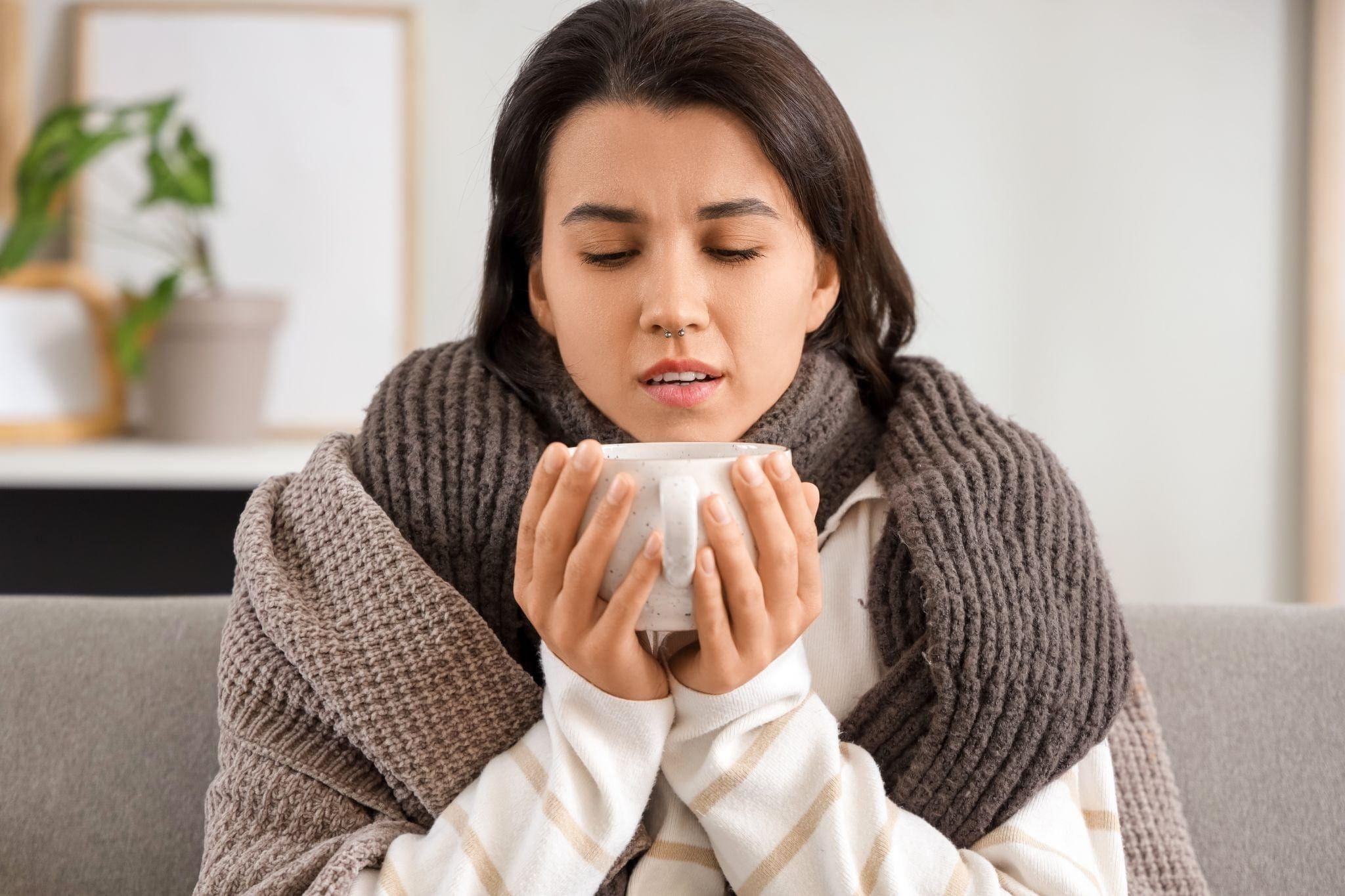
There is no magic bullet for preventing colds and flu. But there are ways you can take care of your overall health so your immune system can do its job. Getting enough sleep, eating well, drinking plenty of fluids, staying active and managing stress can help you stay resilient this winter.
Prioritise Sleep (7–9 hours)
Sleep is extremely important for our immune system. While we sleep, our bodies create and release proteins that help fight infection and inflammation. Ensuring you consistently get seven to nine hours of quality sleep each night allows your immune system time to rest and function at its best.
If you find yourself lacking sleep, practising good sleep hygiene like sticking to a set bedtime, minimising screen time before bed and avoiding caffeine later in the day can help you improve your sleep quality.
Eat for Immunity: The Key Nutrients
Everything you eat contributes to your overall health, including your immune system. Instead of stressing about one particular ‘superfood’, focus on regularly eating whole foods that provide key vitamins and minerals.
Vitamin C
Food sources of vitamin C aid immune health. Include vitamin C-rich foods in your diet like citrus fruits, strawberries, kiwi fruit, capsicum and broccoli.
Vitamin D
This vitamin helps regulate our immune system. Find foods fortified with vitamin D or that naturally contain vitamin D, such as eggs, oily fish (salmon and sardines), and take advantage of sunshine when you can.
Zinc
Our bodies use zinc to help maintain normal immune function. Consume zinc-rich foods like lean meat, seafood, dairy products, nuts, seeds and legumes.
Try to eat a variety of vegetables, fruit, whole grains and lean proteins.
Stay Hydrated
Drinking plenty of fluids helps many of your body’s normal functions, including those that support immune health. It also helps to maintain moist tissues in your nose and throat which support your body’s natural defences against respiratory infections.
Water is best, however milk, soups and herbal teas can also count towards your daily fluid intake. When you're feeling under the weather, making sure you're drinking enough is even more critical, particularly if a fever kicks in.
Move Your Body Regularly
Research shows exercise is important for overall good health and may help improve your immune function. Exercise promotes good circulation, heart health and quality sleep, all of which can support your body’s normal functions.
You don’t have to become a marathon runner to boost your health. Going for a daily walk, cycling, swimming, gardening and lifting weights are all great ways to keep moving throughout the winter months. Find what works for you and stay consistent.
Manage Stress Levels
Chronic stress can impact your physical and mental well-being and may impact your ability to fight off illness. Although stress can’t always be avoided, there are things you can do to help manage stress throughout cold and flu season.
Exercise, spending time outdoors, practising mindfulness or meditation, staying socially connected and making time for hobbies you enjoy are all great ways to lower your stress levels. Your body will thank you when you make your mental health a priority.
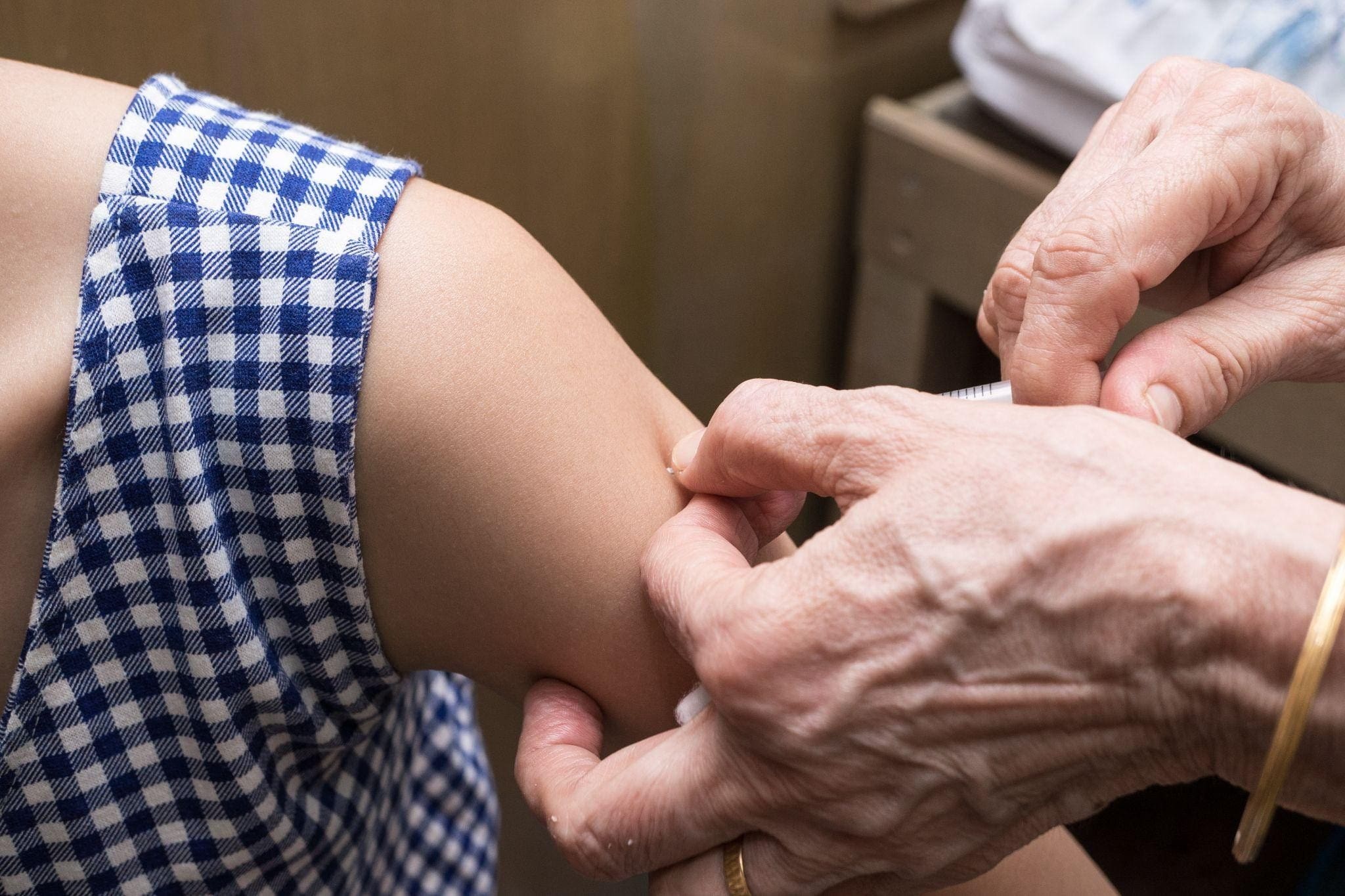
Healthy lifestyle choices can support your immune system. However, vaccinating yourself is one of the best ways to prevent serious illness caused by influenza and COVID-19. By vaccinating yourself, you give your body the ability to recognise the virus so your immune system can respond faster.
This reduces your chances of developing symptoms and serious complications from influenza and COVID-19, as well as time spent in the hospital or away from work and school activities.
Annual Flu Vaccine: Who Should Get It and When
As the virus strains that cause flu change every year, annual vaccination is needed. The best time to get your flu vaccine in Australia is before winter starts, but you can still benefit from vaccination later in the season if you haven’t already had the vaccine.
Everyone over six months of age should get vaccinated against influenza every year. Vaccination is especially important if you are at risk of developing serious flu complications. At-risk groups include children, older Australians, pregnant women, Aboriginal and Torres Strait Islander people and people with some long-term medical conditions.
Free Vaccines Under the National Immunisation Program
Free flu shots are available through the Australian Government's National Immunisation Program for individuals who could face severe illness from the flu.
These eligible groups include:
- Children under 5 years of age
- Pregnant women
- Adults over 65 years of age
- Aboriginal and Torres Strait Islander people
- People with an eligible chronic medical condition
If you are unsure if you are eligible for a free flu vaccine, your GP can advise if you are eligible and discuss what vaccination schedule is suitable for you.
COVID-19 Boosters During Flu Season
COVID-19 restrictions may have eased, but COVID-19 is still here in our community and can cause serious illness in vulnerable people. Getting your recommended COVID-19 booster vaccinations will help ensure you are up to date with your protection against serious illness.
The coming flu season is a timely reminder for many to check in with both their influenza and COVID-19 vaccines. For some people, you may be able to get both vaccines at the same time. Your GP can provide personalised recommendations based on your age, health, and past immunisations.
While anyone can become unwell during cold and flu season, some people are more likely to experience serious illness or complications. Taking extra precautions around vulnerable family members can help reduce their risk of infection and provide greater peace of mind throughout the winter months.

Babies and Young Children
Children and babies have immature immune systems, which make them prone to infections like many respiratory illnesses. Childcare centres, kindergartens, and schools also provide many opportunities for viruses to transmit between children and households.
Promoting frequent handwashing, teaching children cough and sneeze hygiene and keeping children home from childcare and school when they are unwell can help minimise spread. Ensuring your child’s health is up to date with recommended vaccinations, including yearly influenza vaccination where available, will also help keep them healthy.
Pregnant Women
Pregnancy naturally alters the immune system and affects the body’s heart and lungs. This means there is the potential for more serious complications from diseases such as influenza. Even an otherwise routine infection can hit harder during pregnancy.
Good hygiene practices, minimising close contact with unwell people where possible, and making sure you are up-to-date with recommended vaccinations can help provide protection during pregnancy. Some vaccinations can also help provide antibodies to your baby during their first few months of life.
Elderly Parents and Grandparents
Our immune system weakens with age which means it’s harder to fight off infections. This means seniors are more susceptible to complications of influenza and other respiratory illnesses, including pneumonia and hospitalisation.
If you have parents and grandparents you’re spending time with this cold and flu season take extra care. Stay away if you are feeling under the weather. Encourage them to get vaccinated and make sure you wash your hands before spending time with them. It only takes a little effort to help decrease your exposure to others who may be sick.
Family Members with Chronic Conditions
Those with pre-existing medical conditions are at higher risk for developing serious illness from influenza and other respiratory illnesses. This includes individuals with asthma, chronic lung disease, diabetes, heart disease, kidney disease, and weakened immune systems.
If you have relatives with one of these conditions, continue to take precautions to avoid getting sick. Ensure they are up to date with vaccines, take all medications as prescribed, keep up with regular medical checkups and seek medical attention sooner should symptoms arise. If you are caring for someone with a chronic condition, do what you can to help prevent the spread of germs within the home.
Ideally, if someone at home has a cold or the flu, they should isolate themselves to prevent transmission to others. However, this is not always possible so try to limit contact as much as you can to reduce the risk of others catching it. Someone who is sick should sleep in another room if possible and avoid being around others as much as possible, for at least the first couple of days when you are more contagious. Make sure the area they are in is well ventilated if they need to be in a shared space.
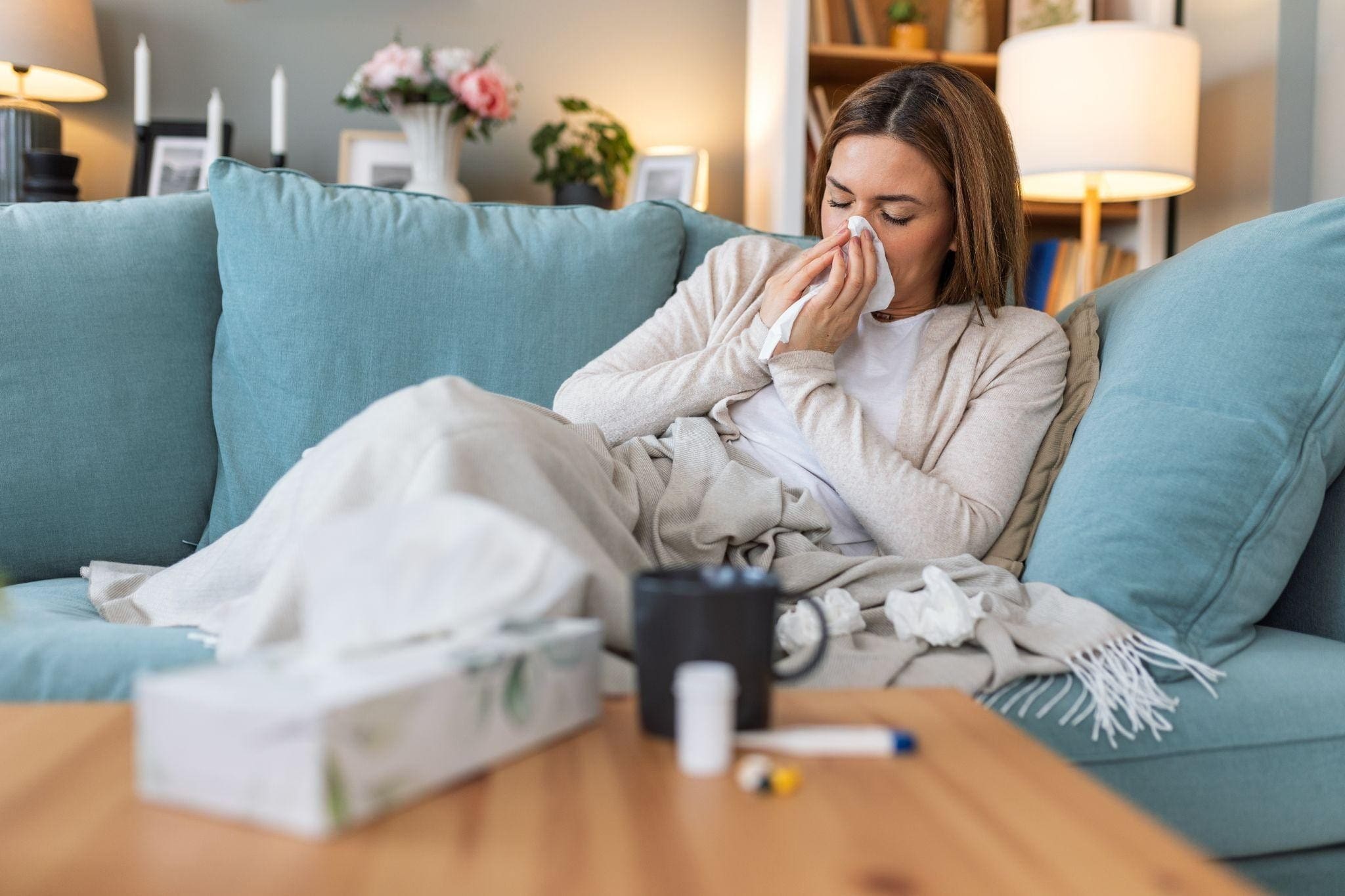
Everyone at home should take extra care with washing their hands and surfaces. Pay particular attention to surfaces that are frequently touched like door knobs, taps, phones, and TV remote controls. Use tissues for coughs and sneezes and dispose of them immediately. Don’t share towels, drink bottles, cups, cutlery or pillows with the person who is sick.
Keep kids home from school until they feel better. If your child has cold or flu symptoms keep them home until they are feeling better and no longer contagious. This may be when they still have a fever, are extremely tired, or won’t participate in normal activities. Most children can return to school once they are feeling better and seem well enough to keep up with a full day at school or day care. If you're not sure, contact your child's doctor.
In most cases home management with bed rest, fluids and supportive measures will be enough for an uncomplicated cold or bout of influenza. However, if you experience any concerning symptoms then it may be prudent to seek review by a healthcare professional.
These red-flag symptoms include:
- Persistent high fever.
- Difficulty breathing or shortness of breath.
- Chest pain.
- Signs of dehydration such as decreased urination or dizziness.
- Significant worsening of overall condition, confusion, extreme fatigue or inability to keep down fluids.

An earlier review should also be sought in individuals at higher risk of complications. This includes infants and young children, pregnant women, older adults, as well as those with underlying medical problems like asthma, chronic lung disease, chronic heart disease, diabetes, or weakened immune systems.
At Narangba Station Medical Centre, our team offers telehealth consultations for mild-to-moderate respiratory symptoms. Your doctor will be able to provide reassurance and advice regarding home management and will also determine if any further treatment or investigations are required.
An in-person appointment is likely to be suggested if they feel that your child needs to be examined or if symptoms are severe or worrisome for complications such as pneumonia or dehydration. If you are unsure which option to choose, it may be best to start with a telehealth consultation which can be used to determine the safest option.
A number of common myths about colds and flu continue to circulate, despite what we know about how these infections actually spread and behave. It’s important to be able to tell the difference between an old wives' tale and factual information.
| Myth | Fact |
| You can catch a cold from being cold. | It is a virus that makes you sick, not cold weather. People tend to spend more time indoors during the colder months, which allows viruses to spread more easily. |
| Antibiotics treat the flu. | Antibiotics won't help you if you have the flu. They are only effective against infections caused by bacteria. Most people who get the flu don't require anything more than bed rest and plenty of fluids to treat it. Only if the flu progresses to pneumonia or another serious infection will antibiotics be required. |
| The flu shot gives you the flu. | You cannot get the flu from getting vaccinated. When you get the flu shot, you are being exposed to a dead virus that stimulates your body's immune response. Low-grade fever and soreness at the injection site are possible side effects. |
| You only need the flu vaccine if you’ve had the flu before. | Surviving an infection doesn’t make you immune. Each year, multiple strains of the flu virus emerge, which is why you need to get vaccinated every year as well. |
| A strong immune system means you won’t get sick. | Following a healthy lifestyle lowers your risk and helps you recover better, but you can never guarantee that you won’t be exposed to viruses present around you. |
| You’re not contagious if you only have mild symptoms. | Individuals are contagious before and during symptomatic stages, even if symptoms are mild. This is why practising proper hygiene and isolating at the first sign of symptoms helps. |
As cold and flu season looms, its impact on individual households never fails to differ from one year to the next. Although being proactive with daily habits, getting vaccinated promptly, and addressing symptoms early can significantly lower your risk of illness and help prevent its spread if you do get sick, it's important to remember that illness can still occur.
At Narangba Station Medical Centre, we can help you and your family with personalised care during the cold and flu season. From prevention to treatment and everything in between, finding the right medical clinic for you and your family means having a trusted destination for ongoing health needs when you need it most.
Don’t wait until cold and flu season is in full swing to see your GP about vaccines. If you haven’t received your yearly flu shot yet, or you’re not sure if you’re up to date on recommended vaccines, make an appointment to talk to your doctor today. Prevention is one of the best ways to keep yourself and others healthy this season.
Book an appointment to speak to your GP for more information.
Contact & Bookings
To make an appointment, please call reception or use our online booking system via the button below. You can also visit our contact page to see further details about our location and directions.
Bookings are available from as early as 7AM on weekdays and Saturday. We are also open Sunday afternoon and late evening on Tuesday and Thursday until 8:30PM.
Can't find us? - Narangba Station Medical Centre is situated across the road from Narangba Train Station within the Narangba Village shopping complex. Look for signs for Narangba Station Medical Centre and IGA. We have free on-site parking outside the practice with plenty of free overflow parking also available nearby.

Dr. Madhu Lakshmaiah
Dr Madhu Lakshmaiah is a highly qualified and dedicated general practitioner at Narangba Station Medical Centre with over two decades of experience across various health systems. He graduated with a Bachelor of Medicine and Bachelor of Surgery from Sri Devaraj Urs Medical College in India in 2002, and is a Fellow of the Royal Australian College of General Practitioners.