

Diabetes Treatment Options Explained: Managing Your Health With Confidence
People often associate diabetes with blood sugar levels, but the condition affects much more than that. Left unmanaged, diabetes can increase the risk of heart disease, kidney problems, nerve damage and vision loss. Whether you've recently been diagnosed or are supporting a loved one, it's natural to feel overwhelmed by the amount of information available and wonder what treatment options are right for you.
The good news is that diabetes can often be managed successfully with the right combination of lifestyle changes, regular medical care and, where needed, medication. At Narangba Station Medical Centre, we know that early diagnosis and ongoing support can make a significant difference to your long-term health and help you continue living an active, healthy life.
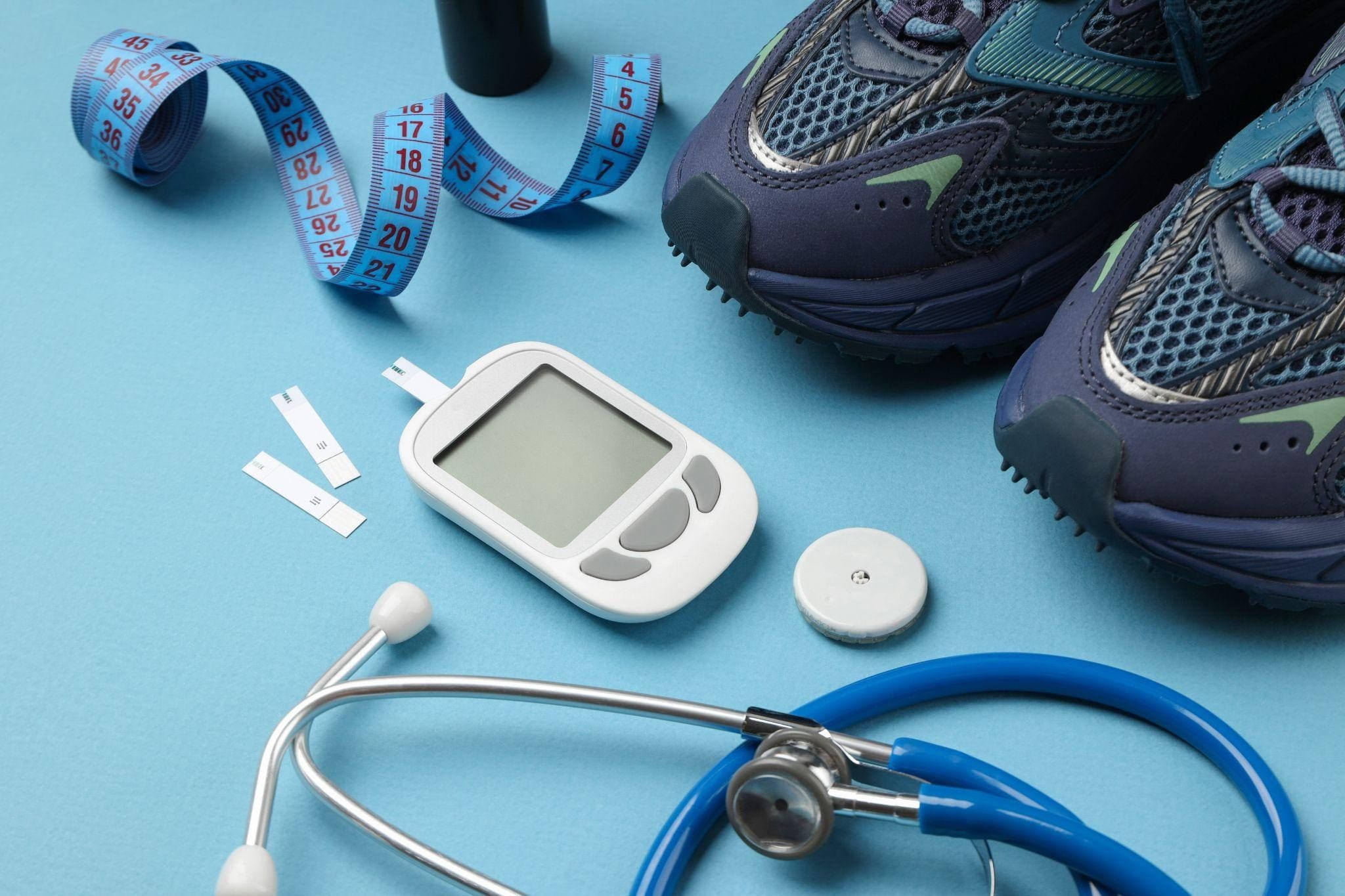
Let's take a closer look at what diabetes is, the symptoms to watch for, and the treatment options available to help you manage your condition with confidence.
Table of Contents
Diabetes is a disease that occurs when your body can’t regulate how much glucose (or sugar) is in your blood. Glucose comes from the food you eat and is your body’s main source of energy. Insulin is a hormone made by the pancreas that helps your body use glucose.
People with diabetes either don’t make enough insulin, can’t use their insulin well, or both. When there isn’t enough insulin or insulin isn’t working properly, glucose stays in your blood. Over time, having too much glucose in your blood can cause health problems with your heart, kidneys, eyes, nerves and other parts of your body.

With good diabetes management and care, you can keep your blood glucose levels within your target range and stay healthy. Diabetes management includes making healthy lifestyle choices, monitoring blood glucose, and getting treatment and support when necessary. There are different types of diabetes with specific causes.
Learn about the differences to better understand risk factors, spot symptoms early and choose the healthiest options for you.
Type 1
Type 1 diabetes is an autoimmune disease that occurs when the body attacks and destroys cells in the pancreas that produce insulin. Without insulin, your pancreas is unable to move sugar from your blood into your cells.
Type 1 diabetes can occur at any age, although it is commonly found in children and teenagers. Diet and lifestyle do not cause Type 1 diabetes and it’s possible a range of genetic and environmental factors could play a role.
Type 2
Type 2 diabetes affects the way your body uses insulin. Although your pancreas will still produce insulin, your body doesn’t use it as well as it should. Type 2 diabetes causes blood glucose levels to become too high.
Type 2 diabetes typically develops over many years and doesn’t always show symptoms. While some people are more at risk due to their family history and age, being overweight and physical inactivity are known causes.
Gestational diabetes
Gestational diabetes usually occurs during pregnancy when your body cannot produce enough insulin due to hormonal changes. Your pancreas will still produce insulin, but your body will need more to keep your blood glucose at a healthy level.
Gestational diabetes will usually disappear after pregnancy although you’ll need to closely manage your blood sugar levels during pregnancy to ensure you and your baby are as healthy as possible. This temporary condition can increase your risk of developing Type 2 diabetes later in life.
Prediabetes
Prediabetes is a condition that occurs when your blood glucose levels are higher than normal, but not high enough to be classified as Type 2 diabetes. Prediabetes usually has no symptoms.
If you have prediabetes, your doctor can help you find ways to prevent or delay Type 2 diabetes. Regular check-ups are important if you have any risk factors for diabetes.
Diabetes symptoms vary based on what type of diabetes you have and how high or low your blood glucose levels become. For some people, symptoms of diabetes may be obvious but many people, especially those with Type 2 diabetes develop symptoms slowly over time, or may not notice any symptoms at all in the early stages of the condition.
Being aware of the potential signs and symptoms of diabetes means you can seek medical advice sooner and access diabetes testing if necessary. Having one or more of these symptoms does not necessarily mean you have diabetes, however if you are noticing persistent changes to your health it’s important to talk to your GP.
Common symptoms of diabetes can include:
| Diabetes Symptom | Why It Can Happen | What To Look For |
|---|---|---|
| Increased Thirst | High blood glucose levels can cause the body to draw more fluid from tissues and increase urination, which may lead to dehydration. | Feeling unusually thirsty or needing to drink more fluids than normal. |
| Frequent Urination | The kidneys work harder to remove excess glucose from the bloodstream, which can increase urine production. | Needing to urinate more often, including waking during the night. |
| Ongoing Fatigue | When glucose cannot be used effectively for energy, the body's cells may not receive the fuel they need to function properly. | Feeling constantly tired, low in energy or struggling with everyday activities. |
| Blurred Vision | Changes in blood glucose levels can affect fluid balance in the eyes, temporarily affecting focus and vision. | Vision changes, difficulty focusing or periods of blurred vision. |
| Slow Wound Healing | High blood glucose levels can affect circulation and the body's ability to repair damaged tissue. | Cuts, sores or injuries taking longer than expected to heal. |
| Unexplained Weight Loss | When the body cannot access glucose for energy, it may begin breaking down fat and muscle for fuel. | Losing weight without changing your diet or activity levels. |
| Increased Hunger | If cells are not receiving enough energy from glucose, the body may send signals that it needs more fuel. | Feeling hungry more often, even after eating. |
| Recurrent Infections | Higher blood glucose levels can make it harder for the body to fight certain infections. | Frequent skin infections, urinary tract infections or other recurring infections. |
Although tiredness can be a symptom of diabetes, it can also have many other causes. If persistent fatigue accompanies other potential diabetes indicators like an unquenchable thirst, needing to urinate more often, hazy vision, or unexpected shifts in your weight, a conversation with your GP would be beneficial.
At Narangba Station Medical Centre we can evaluate your symptoms and advise if diabetes testing or further investigations are needed.
Does Diabetes Make You Tired?
Yes, extreme tiredness or fatigue is one of the most prevalent symptoms of diabetes. If your body can’t regulate your blood glucose levels successfully, your cells won’t produce energy efficiently and use what they produce effectively. As a result, no matter how well you sleep at night, you may wake up feeling drained.
Hyperglycaemia (high blood glucose levels) can cause tiredness. Because your cells aren’t able to absorb glucose from your blood, your kidneys have to work overtime to filter out the excess sugar. When your blood sugar is high, you can become dehydrated quickly and feel lethargic. You may also feel fuzzy-headed and low on energy.
Hypoglycaemia (low blood glucose levels) also plays a role in fatigue. You need sugar in your bloodstream to fuel your body’s cells. When your blood sugar is low, your muscles and brain don’t have enough energy to do their jobs properly. This makes you feel weak, lightheaded and tired.
Poor sleep can also contribute to daytime fatigue. Some people with diabetes wake up several times during the night to urinate or have fluctuating blood glucose levels that affect their sleep. Others have conditions that commonly occur with diabetes, such as sleep apnoea. Continual sleep disruption will eventually exacerbate fatigue.
Diabetes impacts your body’s ability to turn glucose into energy, glucose is a form of sugar that your body uses for energy. If your body doesn’t produce enough insulin or your cells are unable to respond to insulin, your cells can’t receive the glucose they need for fuel. This can leave you feeling tired all the time, and fatigue is one of the first symptoms doctors look for when testing for diabetes.
Diabetes management plans will look different for everyone. Finding what works for you will depend on your type of diabetes, general health, lifestyle and personal goals.
Diabetes management can include a range of healthy lifestyle changes, regular check-ups with your doctor, monitoring blood sugar levels and working with a diabetes care team. Small adjustments to your everyday routine can go a long way to helping you maintain healthier blood glucose levels and minimise your risk of developing diabetes complications.
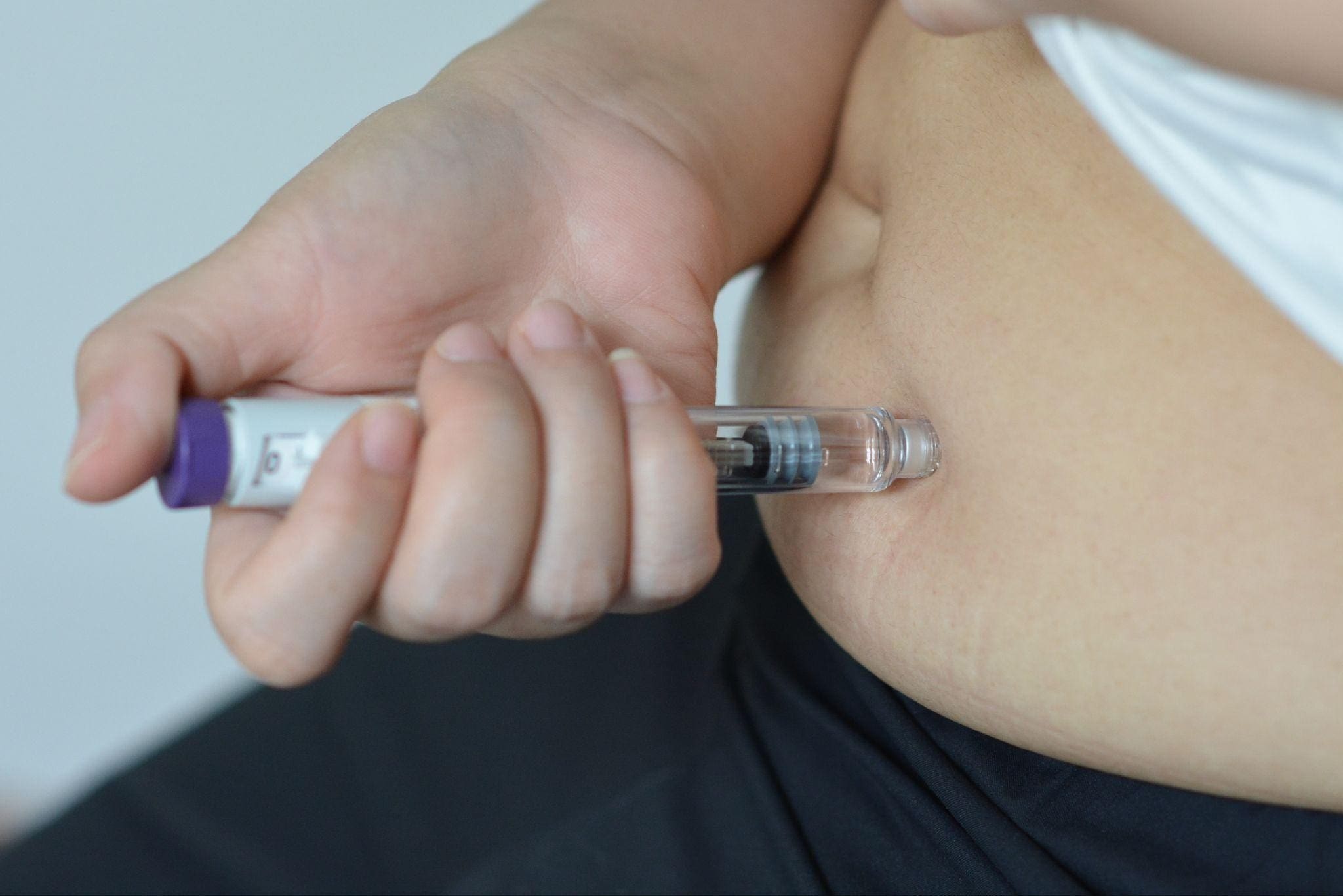
Though everyone’s diabetes journey is unique, there are a few mainstays of diabetes management. These include eating a healthy balanced diet, regular exercise, maintaining a healthy weight (where possible), quality sleep and not smoking.
Below are some simple options explained.
Healthy Lifestyle Changes
Making healthy lifestyle choices can help support diabetes management and your overall health. Small changes added up over time can help and are best done with routine healthcare support.
Healthy lifestyle habits can support your body’s ability to use insulin effectively, maintain healthy blood glucose levels and reduce risk factors associated with diabetes.
Diet
The food you eat can affect your blood glucose levels and overall health. Eating a balanced diet can help you maintain healthy glucose levels and sustain steady energy throughout the day.
Diabetes friendly foods to include in your diet:
- Lots of vegetables and high-fibre foods.
- Lean proteins.
- Healthy fats such as nuts, seeds, avocado and fish.
- Wholegrain carbohydrates that break down more slowly.
- Limit highly processed foods and foods containing added sugars.
Carbohydrates have the biggest effect on blood glucose levels. Learning about portion sizes and knowing which carbohydrate sources are rich in nutrients can be beneficial. Ask your healthcare team or accredited dietitian for advice on an eating plan that’s right for you and your lifestyle.
If you are living with gestational diabetes, nutrition is even more important for both you and your baby’s health. A gestational diabetes diet may include managing carbohydrate intake throughout the day, pairing meals with protein and fibre and keeping your blood glucose at a healthy level while ensuring you and your baby are getting key nutrients.
Exercise
Regular physical activity is another key part of diabetes management. Exercise can help your body use glucose for energy and increase your sensitivity to insulin.
You don’t have to do intense exercise to see the benefits. Any movement you enjoy and can do regularly is great for your health.
Try:
- Walking
- Swimming
- Cycling
- Strength training
- Gentle exercise
Consult your healthcare provider before starting any new exercise routine if you have concerns about your health, other medical conditions or how exercise may impact your blood glucose.
Weight Management
Maintaining a healthy weight if it’s right for you can help to better manage your blood glucose levels and your overall health if you have Type 2 diabetes.
Achieving and sustaining a healthy weight isn’t about scales and numbers, rather it’s about creating habits you can maintain. Habits that work with your lifestyle and energy levels and support your nutrition, activity levels and overall health now and into the future.
Your healthcare team will work with you to set achievable goals tailored to your personal situation, instead of recommending restrictive diets and quick fixes.
Sleep
We all know sleep is important, but when it comes to diabetes, it’s easy to not get enough. Not only does poor sleep make it harder for you to manage your diabetes but it can also impact the hormones that control your appetite, stress levels and blood glucose levels.
Here are some tips to help you get the best night’s sleep:
- Try to keep regular sleep times.
- Create a calming bedtime routine.
- Avoid caffeine and screens before bed.
Speak to your doctor about any issues you have with your sleep, such as snoring or waking up frequently. If you’re waking up multiple times through the night to use the bathroom, your GP can help you find ways to improve your health and comfort.
Smoking
Smoking raises your risk of developing diabetes-related health issues such as heart disease, poor circulation, and damage to blood vessels.
Quitting smoking is the single best thing you can do to improve your health. Tell your healthcare team if you smoke and need support to quit. They can offer advice and support to help you make lifestyle changes at your own pace.
Exercise and a healthy diet might not be enough to keep blood glucose at a healthy level for some people with diabetes. You might need medication depending on the type of diabetes you have, your health goals and your circumstances.
Diabetes medication can work in different ways. Some medications can help your body use insulin more effectively, some help your pancreas produce insulin and others help regulate your blood glucose level. Your doctor will discuss treatment options with you based on your medical history, lifestyle and needs.

Tablets
Some people with Type 2 diabetes take tablets to manage their diabetes. Diabetes tablets help improve your body’s response to insulin, decrease glucose production or support a healthier blood glucose level.
There are many types of medication available and your treatment may change over time depending on your needs.
Injectable Medications
Some diabetes medications are administered via injection instead of being taken orally as a tablet. They might be an option for you if you need extra help controlling your blood glucose.
Injectable medications come in various types and work in different ways. Your doctor can tell you how a certain medication works, why it was prescribed and how it fits into your diabetes treatment plan.
Insulin
Insulin is a hormone that is produced naturally by the pancreas and allows glucose to enter your body’s cells to use for energy. People with Type 1 diabetes need insulin because their bodies do not produce enough of it naturally.
Some people with Type 2 diabetes may also need insulin if their body stops producing enough insulin or if other treatment methods are no longer keeping your blood glucose in your target range.
If you are prescribed insulin, your healthcare team can explain how it works, how to check your blood glucose levels and how to incorporate it into your daily routine.
Regular Monitoring
Taking care of your diabetes is an ongoing task, and keeping up with regular checks can help you keep track of your condition. As diabetes is liable to change over time, monitoring various elements of your health can help your doctor pick up on any issues and alter your treatment plan when required.
Monitoring your blood glucose levels is one of the cornerstones of diabetes management. Tracking blood glucose helps you to see how different areas of your life, like food or exercise (or stress and medications) impact on your body. By doing this, you can both monitor your condition and gain information that can be used to make decisions about your continued treatment.
Doctors will often recommend that patients have regular HbA1c testing to see how their levels have trended over time. Your doctor will be able to see how well managed your diabetes is by looking at longer-term readings rather than one-off blood glucose tests.
Since having diabetes puts you at higher risk of other health issues, your regular checks may include other elements such as blood pressure and cholesterol. Keeping your heart-healthy can minimise your risk of strokes and heart attacks, so it’s important to keep on top of these numbers. Checking your kidneys can also alert you to any early changes that may need to be managed.
It’s also important to keep track of areas that aren’t always noticeable. Having regular eye tests can alert you to any early changes that diabetes may cause. As diabetes can affect your feet due to nerve and blood flow issues, it’s important to have them checked regularly too.
By keeping in close contact with your GP and keeping up with regular checks, you can be sure to stay on top of your diabetes.
| Type 1 Diabetes | Type 2 Diabetes |
|---|---|
| What causes it? | |
| Type 1 diabetes occurs when the immune system mistakenly attacks the insulin-producing cells in the pancreas. As a result, the body produces little or no insulin. | Type 2 diabetes occurs when the body becomes less responsive to insulin (known as insulin resistance) or does not produce enough insulin to maintain healthy blood glucose levels. |
| Who can develop it? | |
| Type 1 diabetes is often diagnosed in children, teenagers and younger adults, but it can occur at any age. | Type 2 diabetes is more common in adults, although it can also affect younger people. Risk increases with factors such as family history, age, lifestyle factors and other health conditions. |
| How is it managed? | |
| People with Type 1 diabetes require insulin therapy to help regulate blood glucose levels. Regular monitoring, healthy eating and physical activity are also important parts of management. | Type 2 diabetes management may include lifestyle changes, regular monitoring, oral medications, injectable treatments or insulin depending on individual needs. |
| Ongoing care needs | |
| Regular appointments, blood glucose monitoring and working closely with healthcare professionals help people with Type 1 diabetes manage their condition and reduce the risk of complications. | Ongoing care focuses on maintaining healthy blood glucose levels, monitoring overall health and managing any related conditions such as heart disease risk, high blood pressure or cholesterol. |
Whether you have type 1 or type 2 diabetes, seeing your healthcare team for support is key to managing diabetes. Your care plan may evolve throughout your life based on your health, lifestyle and blood sugar management goals.
Eating well is one way you can help support your diabetes management and overall health. Rather than sticking to a specific diet, the focus is often on eating balanced meals that support healthy blood glucose levels and provide your body with nutrients.
This could look like picking high-fibre options, watching your portion sizes, eating protein with meals and choosing quality carbohydrates that will give you longer-lasting energy.

Everyone has different nutrition needs. Diabetes meal planning should always be tailored to your individual health needs, lifestyle and treatment plan. Speak to your GP or an accredited dietitian for advice on what food choices are best for you.
Gestational Diabetes Diet
Gestational diabetes diet plans help manage blood glucose levels during pregnancy while ensuring you and your baby are getting proper nutrition for a healthy pregnancy.
Diabetes dietary advice should be tailored to your individual health needs and circumstances. Speak to your healthcare professional or a dietitian about how to create balanced meals with the right portions of carbohydrates, protein and fibre to help support healthy blood glucose levels.
Diabetes is a lifelong condition, but with proper care and attention, you can still live healthy and active lifestyle.
Ensuring you keep up with regular check-ups, monitoring your health and taking positive steps to maintain sustainable lifestyle changes can help minimise risk of complications throughout your life. Remember to take care of your mental health as looking after a chronic condition can be stressful at times.
Doctors at Narangba Station Medical Centre are here to support you and your family every step of the way. Our diabetes care ranges from understanding your diabetes type to creating a diabetes management plan tailor-made for you.
If you have been recently diagnosed with diabetes or need extra support in managing your wellbeing our doctors can help. Book an appointment today.
Managing diabetes can seem daunting when you’re first diagnosed. But there’s plenty you can do to keep on top of your diabetes and live a long and healthy life. With the right support and ongoing care, diabetes can be managed and controlled.
Everyone is different, so there is no standard diabetes treatment that works for everyone. Your treatment may involve lifestyle adjustments, checking your blood glucose levels regularly, medications, or any combination of all three. Our care depends on the type of diabetes you have, your desired health outcomes, and what is right for you.
Whether you’re experiencing symptoms of diabetes, are concerned about your risk, or need help staying on track with an existing diabetes treatment plan, make an appointment with your GP today.
Our team at Narangba Station Medical Centre are here to help you understand your health requirements and find the right diabetes management plan for you.
Contact & Bookings
To make an appointment, please call reception or use our online booking system via the button below. You can also visit our contact page to see further details about our location and directions.
Bookings are available from as early as 7AM on weekdays and Saturday. We are also open Sunday afternoon and late evening on Tuesday and Thursday until 8:30PM.
Can't find us? - Narangba Station Medical Centre is situated across the road from Narangba Train Station within the Narangba Village shopping complex. Look for signs for Narangba Station Medical Centre and IGA. We have free on-site parking outside the practice with plenty of free overflow parking also available nearby.

Dr. Madhu Lakshmaiah
Dr Madhu Lakshmaiah is a highly qualified and dedicated general practitioner at Narangba Station Medical Centre with over two decades of experience across various health systems. He graduated with a Bachelor of Medicine and Bachelor of Surgery from Sri Devaraj Urs Medical College in India in 2002, and is a Fellow of the Royal Australian College of General Practitioners.